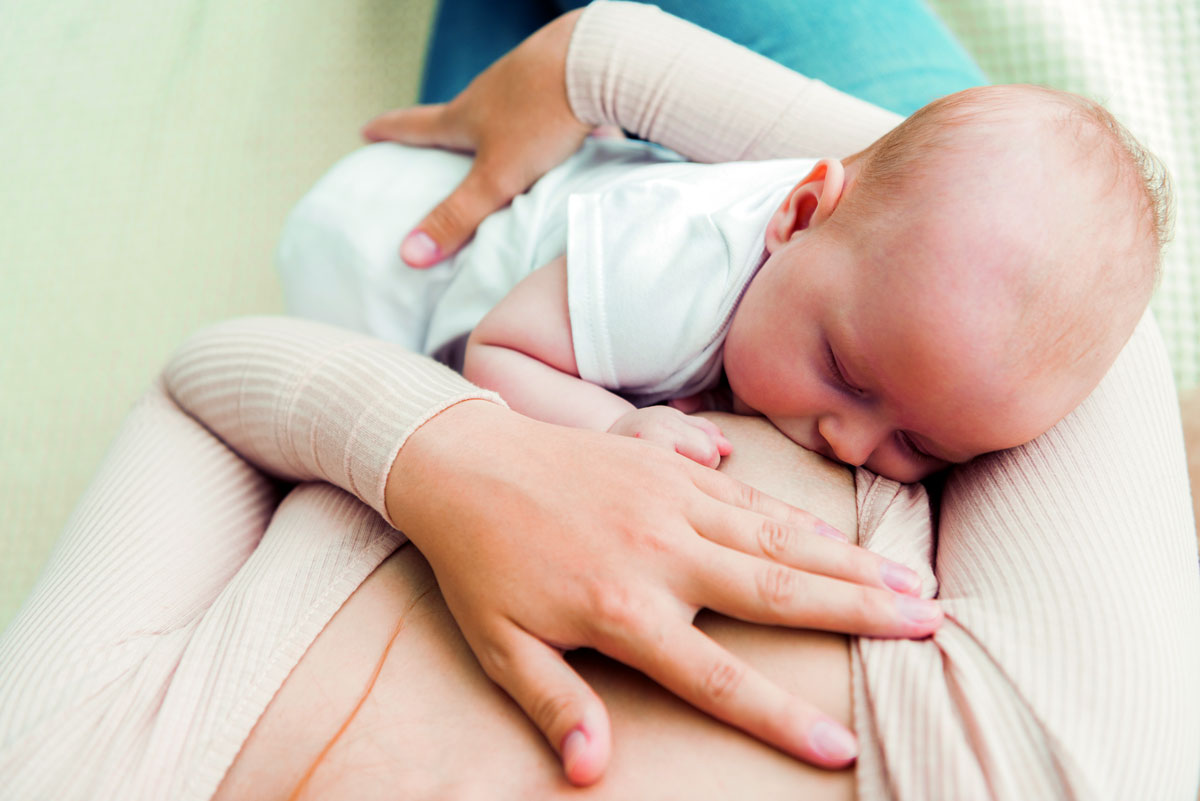
Most women will feel their breasts get large, full, heavy, and tender about 2 to 5 days after giving birth.
This feeling of breast fullness is normal. It is the result of increased milk supply – which is good! Breastfeeding your baby often will relieve this feeling of fullness.
Engorgement is different than normal breast fullness. Engorgement happens if your breasts become overly full. This causes pain, swelling, warmth, redness, throbbing, and hardness of breasts. It may also cause a low-grade fever and can lead to plugged milk ducts or a breast infection.
Engorgement may happen:
If your baby does not feed often enough
If your baby does not remove enough milk from your breasts
What you can do:
To prevent engorgement:
Breastfeed often after giving birth Every 1 to 3 hours during the day. Every 2 to 3 hours during the night.
Offer both breasts at each feeding
If your baby is latched on and sucking well, allow them to nurse for as long as they like on the first breast before offering the second breast.
Do not skip feedings
If you miss a feeding, pump, or hand express to relieve fullness.
Do not supplement with formula
Supplementing may reduce your milk supply and cause excess fullness due to missed feedings.
Avoid using pacifiers
To relieve engorgement:
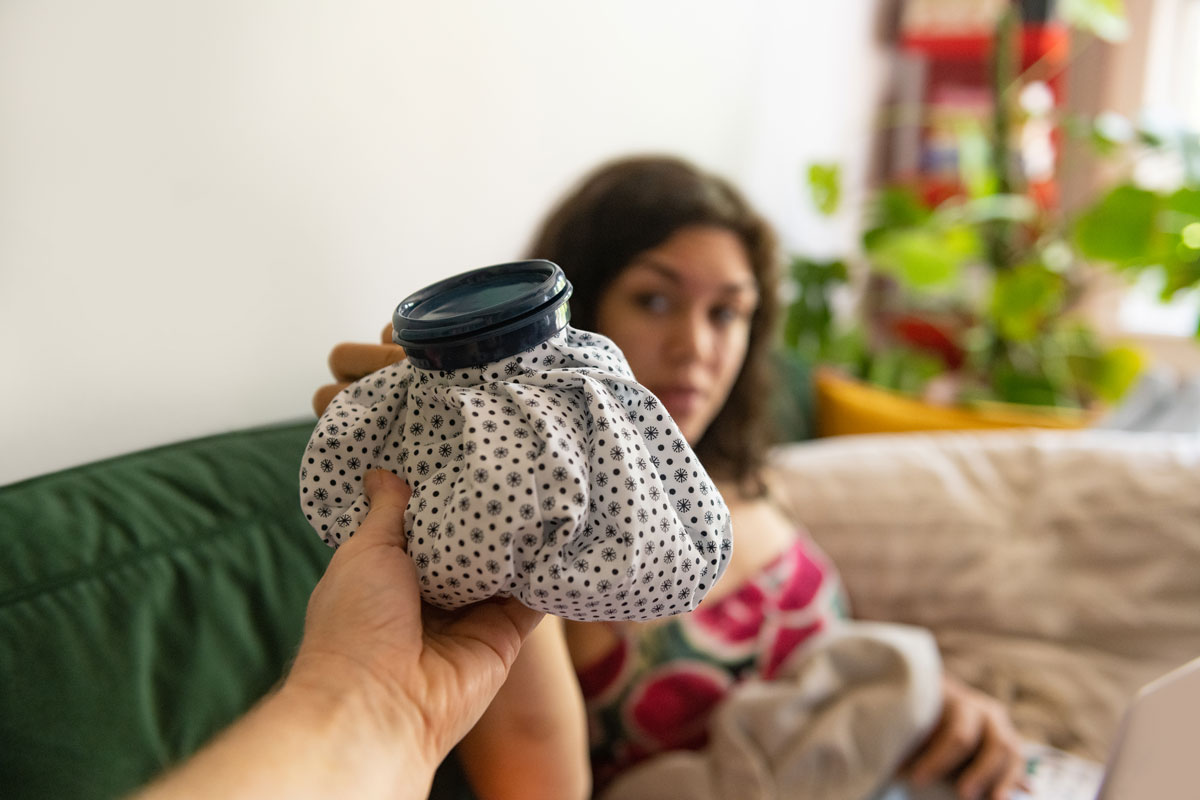
Apply cold packs to your breasts in between feedings to reduce swelling and pain. A bag of frozen vegetables wrapped in a wet washcloth works well.
Pump or hand express a small amount of milk before feeding to soften your breast. This will make it easier for your baby to latch on.
Try reverse pressure softening by placing your hands around your breast with both thumbs at the nape of the nipple. Gently press back and away in a rhythmic motion. This will help support with the releasing of the additional fluid around the areola.