Skip to Content Skip to Footer
New Jersey WIC logo
New Jersey Wic Logo
  • English
    • Español
    • العربية
    • বাংলাদেশ
    • Creole
    • Polskie
    • Português

Picky Eaters

Why is My Child Picky With Food?
Tips for Feeding Infants
Tips for Feeding Children
Remember
Download

Why is My Child Picky With Food?

Even picky eaters might have a reason! Scientists learned that things like how a child acts, mealtime fun (or rules!), what friends eat, and even what mom likes to eat can affect what they choose to munch on!
Reasons for picky eating include:
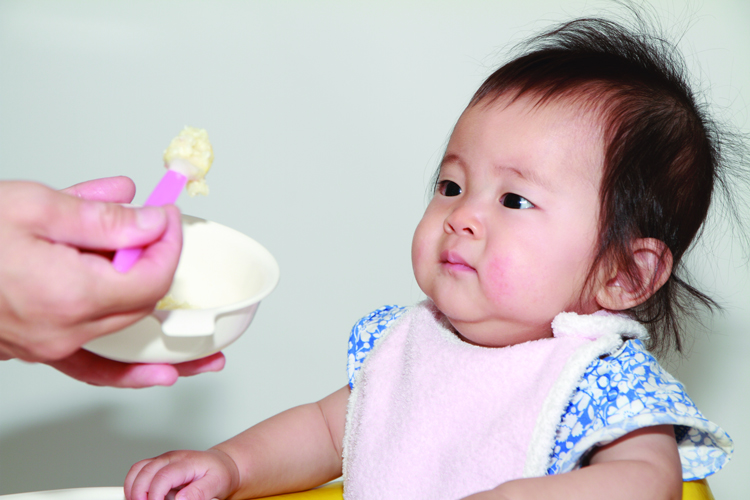
Baby being fed with spoon

Late introduction to lumpy foods.

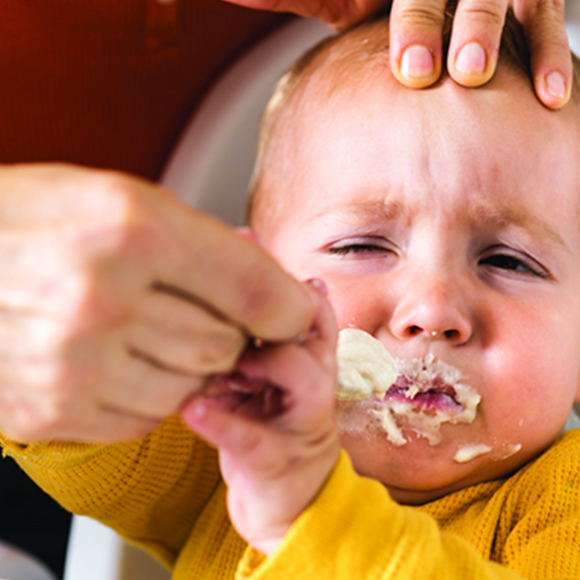
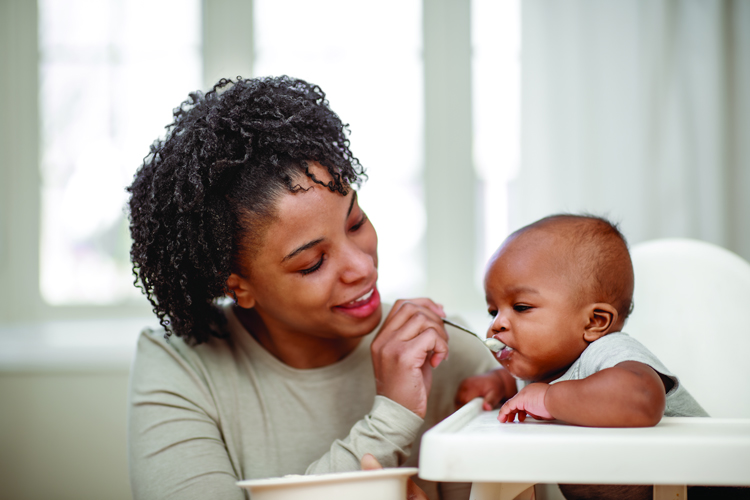
A caregiver offering food to a baby

Pressure from parents to eat.

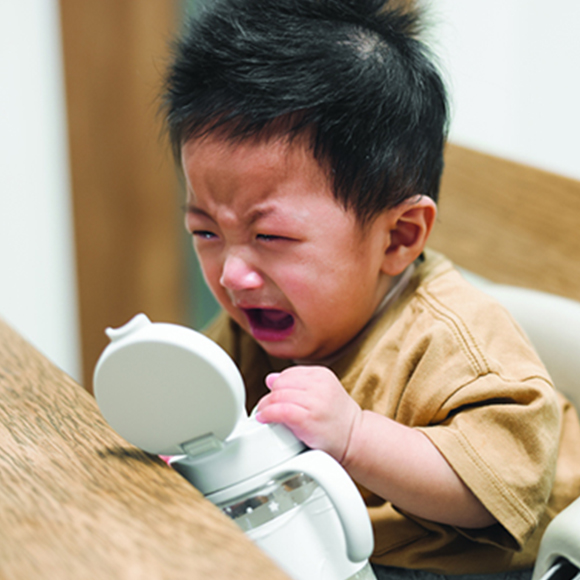
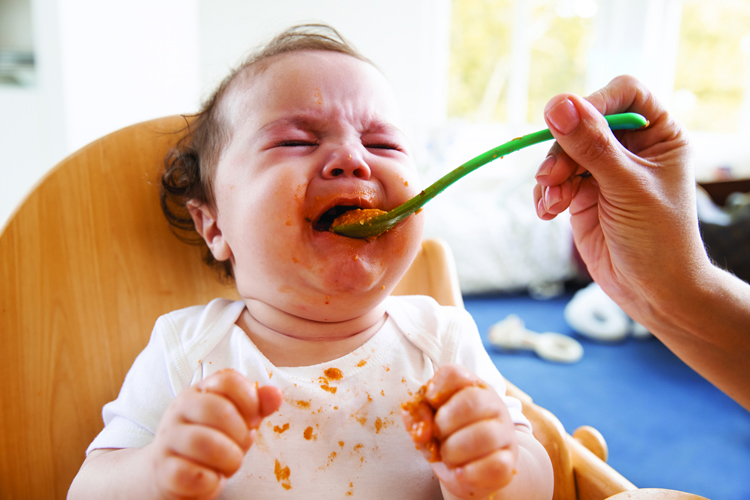
Child crying during mealtime

Children who are very emotional.

What are the signs of picky eating?
Children who are picky eaters may:
  • Throw food.
  • Turn away when you try to feed.
  • Not be hungry at meals but want to snack all day.
  • Say they don’t like certain foods anymore.
  • Refuse to try new foods.

Tips for Feeding Infants

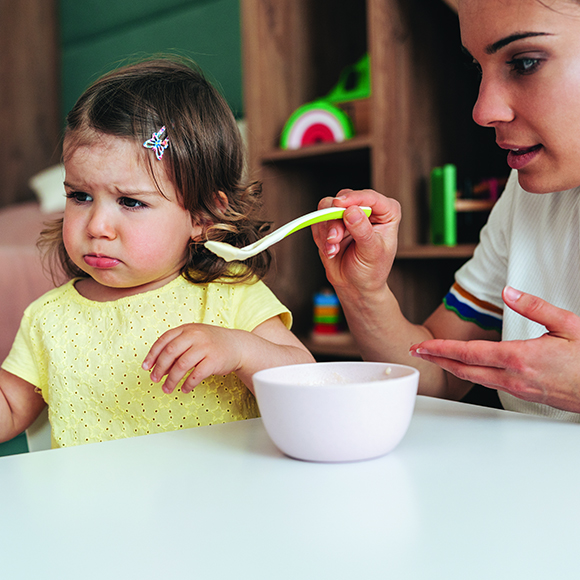
Toddler turning away from food

Never force feed.
Let your child decide when they’ve had enough food. If they refuse to eat, don’t force them. Forcing them to eat may make them uncomfortable and fussy during mealtimes.

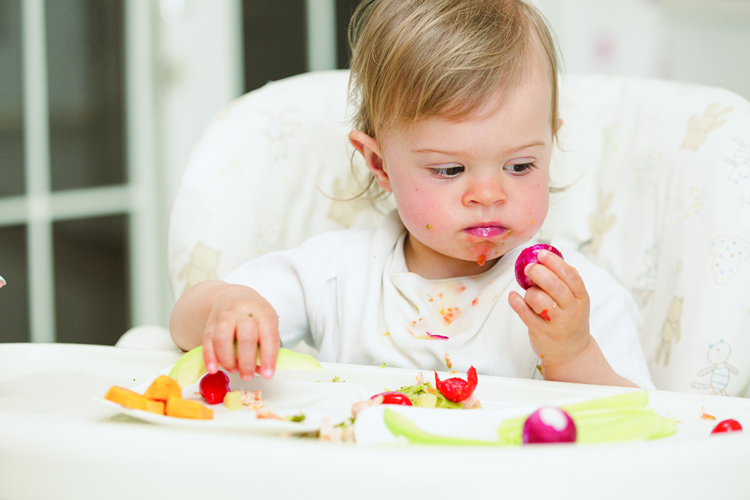
Try different textures.
Babies have food preferences. Some like wet or finger foods, while others prefer grazing or liquids. Avoid highly processed foods to encourage healthy eating habits.

Child refusing food in mealtime
Young child pushing food away

Transform the tempo.
Some babies want to eat fast, others slow. Could you be frustrating your little one with the wrong feeding tempo? There’s only one way to find out: Try slowing down the next feeding or picking up the pace.

Minimize distractions.
Make food the focus of mealtime. Turn off the TV, remove toys and books, and help your little one focus on one thing: Eating.

Baby sitting in a high chair with food
Baby eating with hand

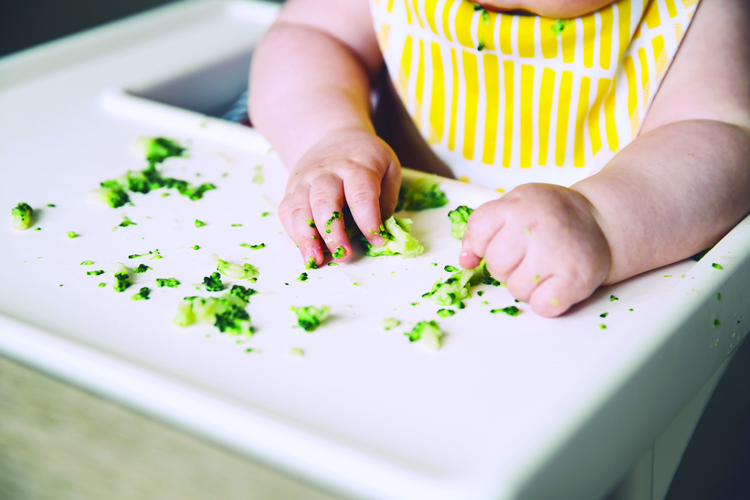
Let your baby touch their food.
You probably wouldn’t eat a food you’ve never seen before without first looking it over. Your baby is the same, so let your little one touch a new food before you offer it.

Follow your baby’s timeline.
Babies start eating solid foods between 4-6 months. However, timing varies. There’s no perfect time for this milestone. It’s best to start when your baby is ready.

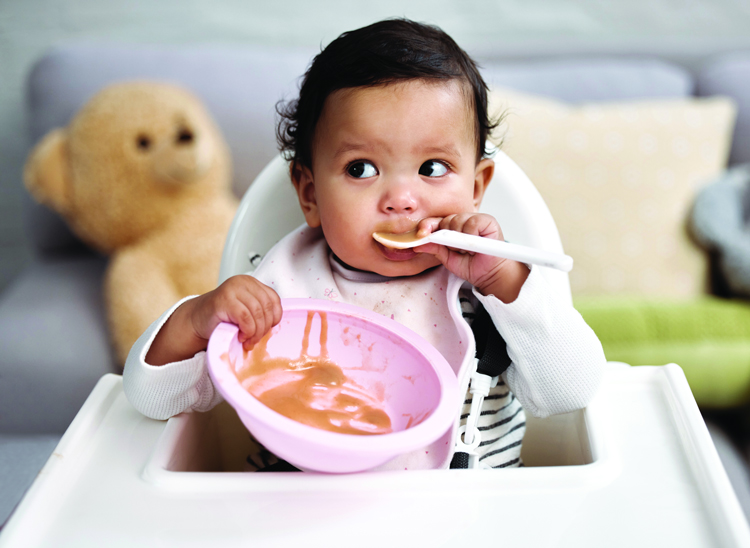
Baby eating with a spoon

Tips for Feeding Children

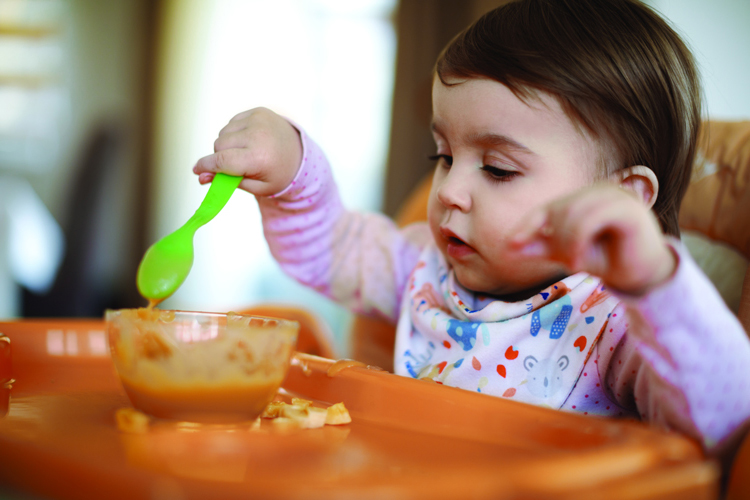
Child eating food independently

Start early! Introducing a variety of foods before your child is two might stop them from being picky later on.
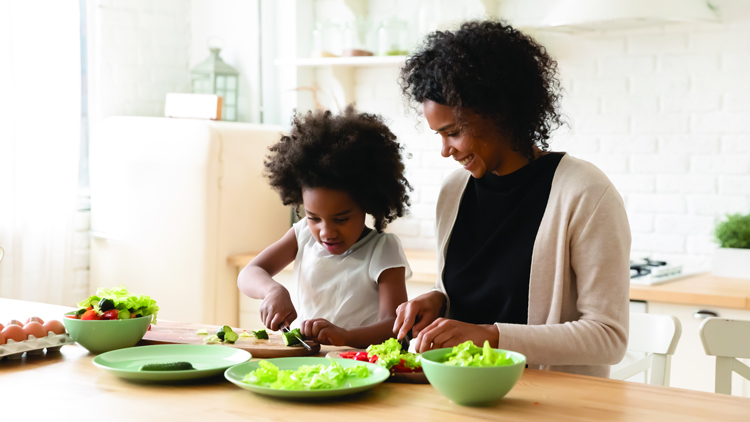
Mother and child preparing food together

Involve your child in meal planning and preparation. Make cooking fun by trying new recipes and ingredients and involving your child in shopping, cooking, and gardening.

Family eating a meal together

Have family meals. Enjoy your family meal and embrace the social aspect of eating. Avoid devices and catch up with each other through funny stories and quality time together.
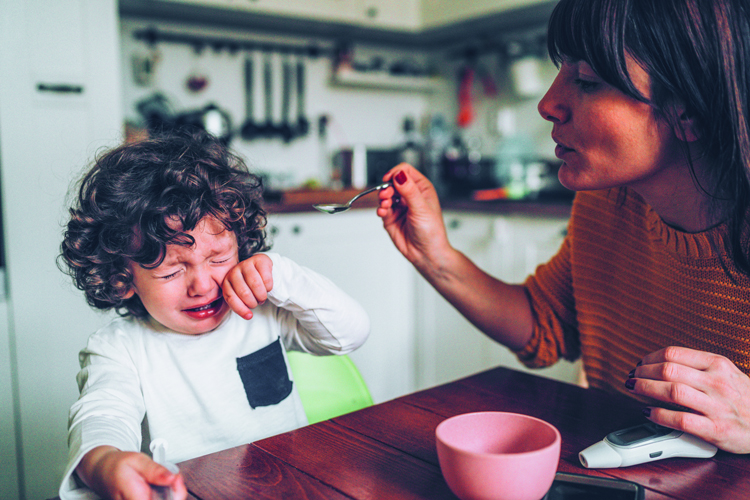
Young child taking medicine with adult assistance

Don’t force a child to eat. Encourage children to try new foods but avoid fights. Don’t force them to finish everything on their plate or let them snack all day. Ensure they’re hungry enough to enjoy meals.

Remember

  • Encourage children to try new foods by setting a good example and keeping mealtimes calm and positive.
Parent and child preparing healthy food
Try these tips with your picky eater:
  • Do not force your child to eat.
  • Prep and eat meals together. Keep it fun!
  • Try a variety of tastes, textures, and colors.
  • Keep exposing your child to new foods.
  • Limit excessive snacking.
  • No screen time during meals.
  • Go easy on your child and yourself.
New Jersey Footer Logo

Contact Us

1-800-328-3838 (24 Hrs) www.state.nj.us/health/fhs/wic/

Learn More

  • How to Apply
  • Find a Clinic
  • Where can I shop?

Resources

  • Nutrition Education
  • Breastfeeding
  • WICShopper
  • eWIC Customer Service

This institution is an equal opportunity provider.

Cookie Policy Privacy Policy

© Brush Art Corporation

  • Email
  • SMS
If you are using multiple emails, separate them with commas.

    SMS Communication Consent