

Skip to Content Skip to Footer
New Jersey WIC logo
New Jersey Wic Logo
  • English
    • Español
    • العربية
    • বাংলাদেশ
    • Creole
    • Polskie
    • Português

Feeding Your Baby - What to Expect

Feeding Your Baby​
All About Breastfeeding​
Download
Parent feeding a baby

Feeding Your Baby

Many new moms have questions about breastfeeding. Knowing what to expect during the first few weeks can help. Breastfeeding is natural but it’s not always easy. WIC is here to help you get off to a great start!
Important notice

Breastfeeding services provided by WIC Breastfeeding Peer Counselors and International Board Certified Lactation Consultants (IBCLCs) are included in your WIC benefits!

All About Breastfeeding​

Here are answers to 6 common questions about breastfeeding:
1. How often will I breastfeed my newborn?
  • Since they grow so fast, newborns need to feed often throughout the day and night. Your newborn will nurse at least 10 times every 24 hours.
  • They will let you know they’re hungry by opening their mouth, licking their lips, and turning towards your breast. Crying is a late feeding cue, so expect to feed your baby as soon as you see them moving around in their sleep and getting ready to wake up.
  • Newborns often sleep for extended periods, so you might need to gently wake them for feeding if they sleep 2-3 hours after their last feeding, until they reach their birth weight. Placing them skin-to-skin can stimulate their desire to breastfeed.
Sleeping newborn baby
egg-correct-icon

Exclusive breastfeeding, especially in the first month, ensures a good milk supply.​

2. How long should feedings last?
arfircanmom-breastfeeding-img
  • In the first few weeks, feedings can take up to 30-45 minutes. Sometimes they will only feed from one side. If you’re not sure if they’re done, you can offer the other side.
  • Babies typically unlatch when they’re full.
  • After breastfeeding is well-established, most babies will finish a feeding in 20 minutes.
  • If your baby doesn’t latch or stay latched, you can feed hand expressed or pumped milk until you can get help from WIC.
doctor-icon

If you are worried your baby is not getting enough milk, talk with your WIC Breastfeeding Peer Counselor or healthcare provider.

3. How much milk does my newborn need?
  • A newborn’s tummy is very small. In the first two days, they only need 1-2 teaspoons of your colostrum per feeding.
  • By 3-4 days, when your milk starts increasing, they need just 1 ounce per feeding.
  • By 7-10 days, their tummy size has grown to be able to hold 2 ounces of milk per feeding.
  • Breastfed babies over 1 month old rarely need more than 4 ounces at a time because your milk content adjusts to their age as they grow.
Newborn stomach size illustration
Message icon

If your baby isn’t satisfied with the recommended amount at most feedings, talk with your WIC Breastfeeding Peer Counselor.

6-24months4. How long should I breastfeed?
American Academy of Pediatrics
  • The American Academy of Pediatrics recommends exclusive breastfeeding for the first six months of life with continued breastfeeding along with complementary foods for at least 24 months. Your milk provides key nutrients and antibodies to your baby as long as they consume it.
right-tik-book-icon

WIC can help you meet your breastfeeding goals.
5. When should I start pumping?
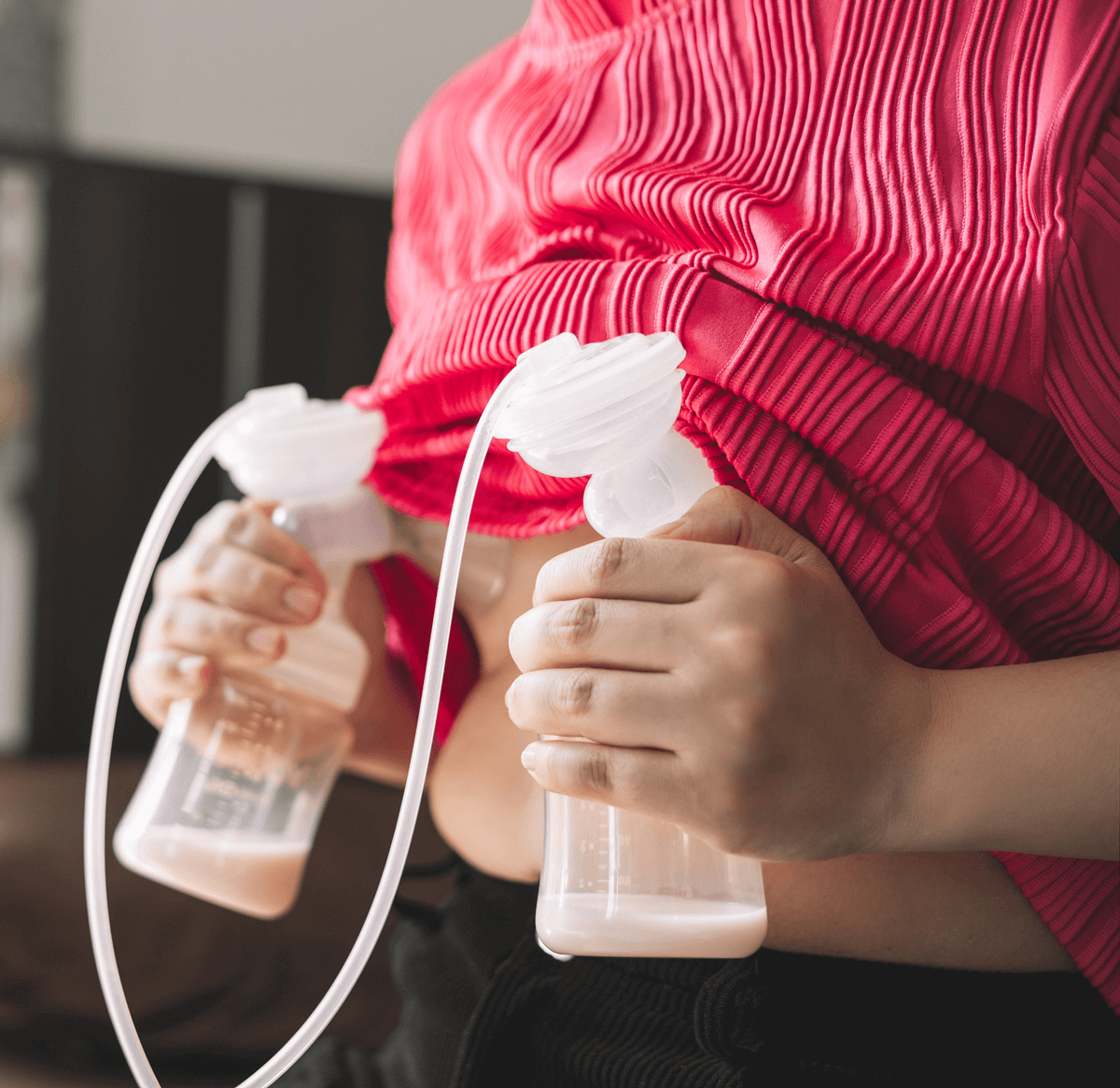
  • When to pump and how to store your milk depends on how soon you want to use it.
  • If your baby isn’t latching in the hospital, hand expression is the most effective way to remove colostrum. Once your milk starts increasing in volume (around day 3), a breast pump works much better.
  • If your baby is not latching at home, seek help from WIC Breastfeeding Staff. In the meantime, you can use a breast pump between feedings so you can provide your milk to your baby. Even if you remove small amounts, it is important to pump every time you feed your baby to stimulate your supply.
  • Otherwise, there is no need to pump until you plan to be away from your baby.
Breast pump illustration
milk-bottle-icon

Your WIC Breastfeeding Peer Counselor can help you acquire a pump and provide guidance on how to best use it.

6. What changes will happen with my milk, my newborn, and me in the first few weeks?
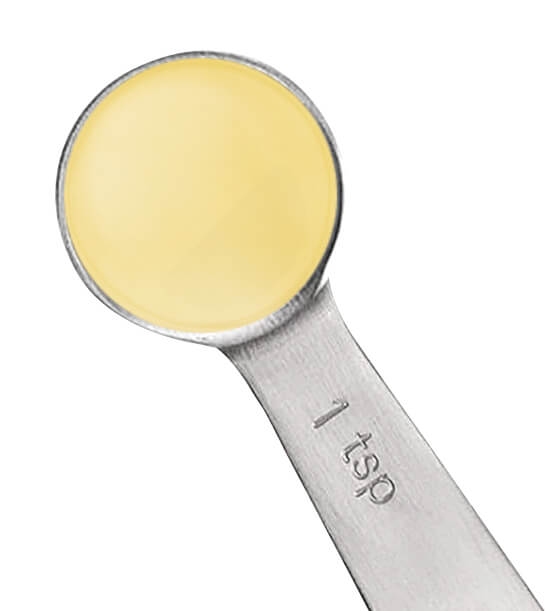
  • During pregnancy, your breasts start making colostrum, a thick, yellowish milk in very small amounts (a teaspoon at a time) so you can feed your baby as soon as they’re born. It contains everything your newborn needs in their first couple of days.
  • Breastfeed your baby within the first 1-2 hours after delivery.
  • If your baby has trouble latching or is still hungry after feeding for a long time, hand express colostrum and feed by spoon.
  • If you had an epidural, you may experience chills and shaking but that will pass soon within a few hours.
Birth
alreat-mobile-icon

Pain is not a normal part of breastfeeding or pumping. If you experience any discomfort, please contact your WIC Breastfeeding Peer Counselor for support and assistance.


FIRST DAY

Your baby’s
stomach size

Cherry size comparison
Size of a cherry

Your milk

milk-drop-icon

Yellow and sticky

1 teaspoons
(5 ml)/feeding

Feedings

10+ times a day
30-45 minutes

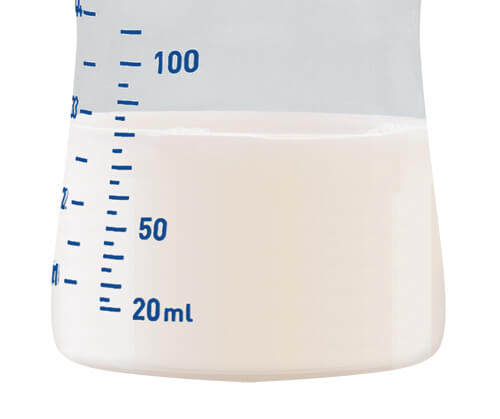
1 teaspoons (5 ml)

What it
looks like

Teaspoon of colostrum

Diapers

  • 1+ pee
  • 1+ poop
(black/brown & sticky)
  • It’s normal for your new baby to sleep heavily. Labor and delivery are hard work!
  • Your colostrum has all your baby needs and in the right amount.
  • Your baby craves your touch. Holding them skin-to-skin (even when they’re sleeping) reminds them of the comfort of your womb. It stimulates their natural newborn behaviors, helps with latching, maintains their body temperature, and helps you make sufficient milk.
  • Feed your baby when they wake up. You’ll also see them opening their mouth, licking their lips, and bobbing around on your chest. Once baby is crying, it can be harder to latch because they’re very frustrated.
  • When they’re full, they will let go of your breast and fall asleep.
  • If you’re not sure if they’re finished, you can try burping your baby and changing their diaper (if needed), then offer the other breast. If your baby doesn’t seem interested or doesn’t want to latch, they may not be hungry anymore. Some babies may nurse from both sides at every feeding, while others may only nurse from one side.
  • You may experience cramps while nursing. They will improve over the next couple of days. It’s a sign your milk is flowing, and your uterus is shrinking.
accordion-icon

A good latch doesn’t hurt. If you experience pain, ask for help from the hospital Lactation Consultant or nurse.

DAY 2

Your baby’s
stomach size

Cherry size comparison
Size of a cherry

Your milk

milk-drop-light-icon
Yellow and sticky

2 teaspoons
(10 ml)/feeding

Feedings

10+ times a day
30-45 minutes

2 teaspoons
(10 ml)

What it
looks like

Teaspoon of colostrum

Diapers

  • 2+ pee
  • 2+ poop
(brown/green)
  • Your breasts will begin to feel warm and fuller, a sign your milk is increasing in volume. It may still be yellowish.
  • Expect your baby to become fussy and want to feed frequently during their second night. They are adjusting to life outside of your womb. This doesn’t mean you don’t have enough milk.
  • It is very normal for your baby to cry when you put them down. They crave your warm cozy chest and when you put them down on a firm surface, they get scared when they realize they’re not with you. It doesn’t necessarily mean they’re hungry.
  • After circumcision, most babies sleep for a long time. Holding your baby skin-to-skin as soon as they are returned to you can help stimulate their desire to eat. You can also express drops of colostrum onto his lips – the taste may remind him he’s hungry!
  • Exhaustion may start to creep up. Take the time to rest and ask visitors to meet your baby once you are settled at home.
  • You will feel very hungry and thirsty. Keep your water pitcher filled and reach for healthy snacks like fruit and nuts.
Day-Night-cycle

After they fall asleep, hold your baby for around 20 minutes until they transition into deep sleep before putting them down.


DAYS 3-5

Your baby’s stomach size

Walnut size comparison
Size of a walnut

Your milk

milk-drop-light-md-icon

Increasing in volume
Yellowish-white

1.0-1.5 oz./feeding

Feedings

10+ times a day
30-45 minutes

1.0-1.5 oz./feeding

What it looks like

Parent feeding an infant

Diapers

  • 3-5+ pee
  • 2-4+ poop (changing from green to yellow)
  • You’ll see your baby start suckling quickly and then take slow, deep gulps as your milk begins to flow.
  • Continue holding your baby skin-to-skin throughout the day so you can bond and feed them as soon as they wake up.
  • Your breasts will still feel warm and full, but they will feel softer after a good feeding.
  • If your nipples feel sore or if your breasts become engorged, check your baby’s positioning and latch . If you need more help, contact your WIC Breastfeeding Peer Counselor.
3-6 WEEKS

Your baby’s
stomach size

Egg size comparison
Size of a large egg

Your milk

milk-drop-light-sm-icon
White

2-4 oz./feeding

Feedings

10+ times a day
20+ minutes/feeding

2-4 oz./feeding

What it
looks like

Parent feeding an infant

Diapers

  • 3-5+ pee
  • 2-4+ poop (yellow)
  • You, your body, and your baby are getting the hang of things!
  • Your breasts will start to feel softer in general as your body adjusts to what your baby needs. This isn’t a sign that you aren’t making enough.
  • Your baby will be better at breastfeeding and have a larger stomach to hold more milk. Feedings may take less time, usually around 20 minutes.
  • Expect your baby to cluster feed before growth spurts; the first two happen at 3 and 6 weeks.
  • Around 4-6 weeks, it’s normal for breastfed babies to poop less often, but they should still have 6 wet diapers a day.
  • Celebrate your achievements! Look at how your baby has grown, thanks to your hard work and dedication.
Support resources icon

WIC is here to support you throughout your entire breastfeeding journey. The first step is taking one of our free prenatal breastfeeding classes. Contact your WIC Breastfeeding Peer Counselor to sign up for a class today!

Every Child Deserves a Healthy Start

Contact Us

1-800-328-3838 (24 Hrs) www.state.nj.us/health/fhs/wic/

Learn More

  • How to Apply
  • Find a Clinic
  • Where can I shop?

Resources

  • Nutrition Education
  • Breastfeeding
  • WICShopper
  • eWIC Customer Service

USDA is an equal opportunity provider, employer, and lender.

Cookie Policy Privacy Policy

© Brush Art Corporation

  • Email
  • SMS
If you are using multiple emails, separate them with commas.

    SMS Communication Consent