Skip to Content Skip to Footer
New Jersey WIC logo
New Jersey Wic Logo
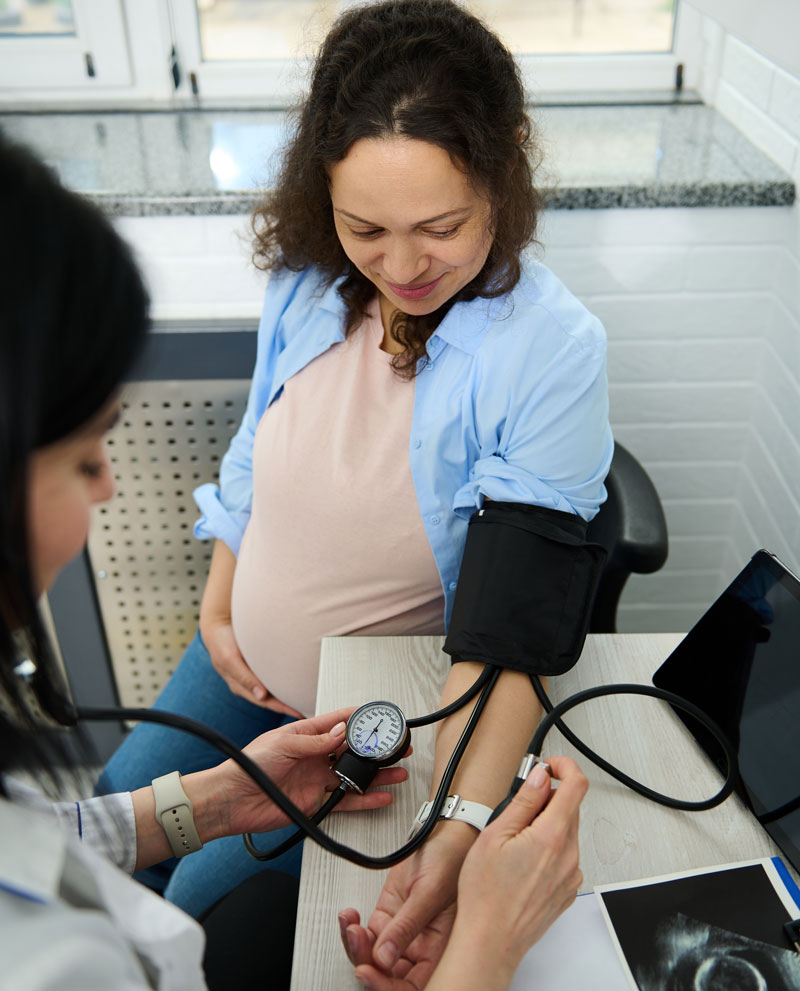
blood_pressure_woman-diningroom

Blood Pressure: Do You Know Your Numbers?

  • Home
  • Live Well Blog
  • Blood Pressure: Do You Know Your Numbers?

November 19, 2025 Women

Blood Pressure: Do You Know Your Numbers?

Emmi hadn’t gone to the doctor in quite a while. When she finally did, she was surprised to learn she had high blood pressure (also called hypertension). But she felt just fine – how could something be wrong?

She’s not alone. Almost half of people in the United States have high blood pressure. About 1 in 4 don’t even know it, which is why hypertension is called “the silent killer”. You may feel fine, but high blood pressure can still harm your body. It raises the risk of heart disease, heart failure, kidney problems, and stroke.

blood pressure icon

Blood pressure is considered high if it’s 130/80 mmHg or higher.

heart icon Blood Pressure and Women​

About 1 in 10 women ages 20-44 have high blood pressure, and about 40% of these women don’t have it under control. This can be very dangerous for a mom and baby during pregnancy.

Gestational Hypertension (high blood pressure during pregnancy) is:

  • Diagnosed after 20 weeks of pregnancy
  • When blood pressure is 140/90 or higher, checked at least twice, 4 or more hours apart.

Women with high blood pressure during pregnancy should:

  • Have their blood pressure checked 7–10 days after delivery (but many do not).
  • Know that they are 6 times more likely to have a stroke during pregnancy.
Blood Pressure and Women
control blood pressure icon

It’s important to control blood pressure, especially before you get pregnant. If you’ve had high blood pressure in a past pregnancy, it’s important to keep checking and controlling it.

Blood Pressure and Children

Children should have yearly blood pressure checks starting at age 3. Children who are overweight are at higher risk of having high blood pressure and should be checked

Are You at Risk?

Risk Factors You Can't Change:

  • Family history of high blood pressure
  • Race/ethnicity
  • Age
  • Gender (men are at higher risk)
  • Chronic kidney disease
  • Obstructive Sleep Apnea (though it can be treated)

Risk Factors You Can Change:

  • ✓ Smoking and secondhand smoke
  • ✓ Diabetes
  • ✓ Being overweight or obese
  • ✓ High cholesterol
  • ✓ Unhealthy diet (too much salt, not enough potassium)
  • ✓ Drinking too much alcohol
  • ✓ Not getting enough physical exercise
Healthy Changes That Help Healthy Changes That Help

The good news is simple lifestyle changes can help lower your risk of high blood pressure. Here’s how:

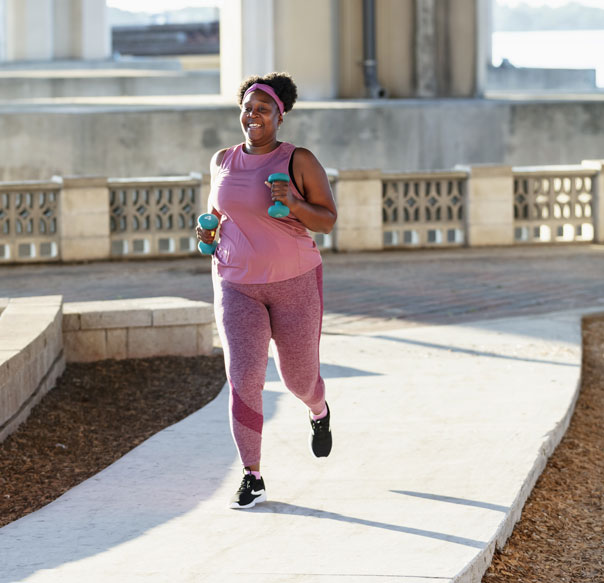
Be more active.

Try to get 2 ½ hours of moderate physical activity or 75 minutes of vigorous activity each week.

  • Moderate activity includes: fast walking, bike-riding, water aerobics, mowing the lawn, and dancing.
  • Vigorous activity includes: jogging or running, swimming laps, riding a bike fast or on hills, and playing basketball or tennis.
Be more active.
Eat the DASH way

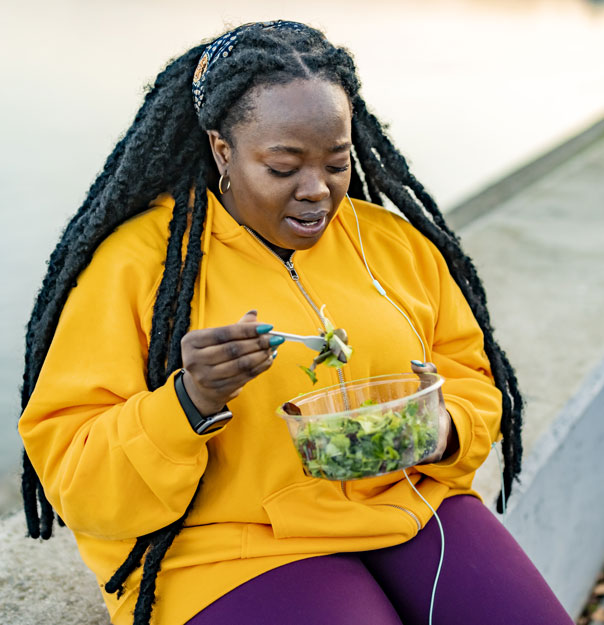
Eat the DASH way (Dietary Approach to Stop Hypertension).

  • Choose foods rich in potassium (bananas, beans, potatoes, yogurt, fish).
  • Eat more calcium-rich foods (milk, yogurt, cheese, greens, soy milk).
  • Add magnesium-rich foods (nuts, seeds, whole grains, spinach, beans).
  • Cut back on sugary drinks, sweets, and foods high in unhealthy fats.
  • Limit salt to 2,300 mg per day (less for kids). High-sodium foods include deli meats, sausage, canned foods, fast food, and instant meals. Check food labels:
  • ✓ 5% DV or less = low sodium
  • 20% DV or more = high sodium

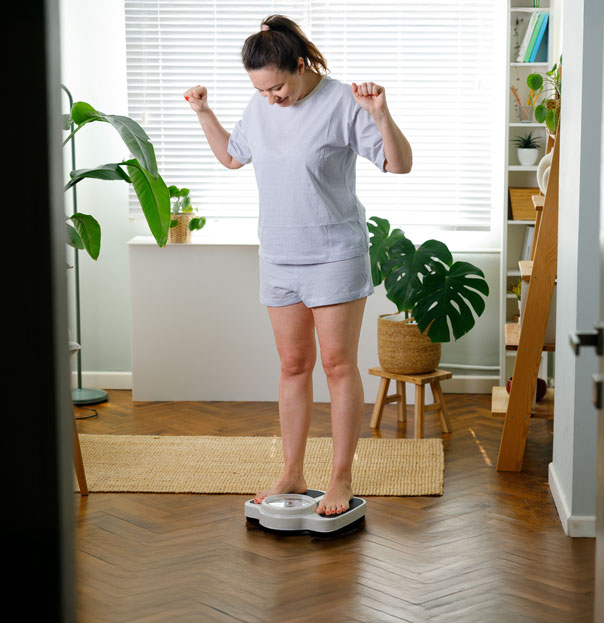
Reach and maintain a healthy weight.

  • Extra weight makes your heart work harder and raises blood pressure.
  • Even losing a small amount – like 5 to 10 pounds – can help bring your numbers down.
  • Eating balanced meals, watching portion sizes, and staying active are healthy ways to reach and keep a good weight.
Reach and maintain a healthy weight
blood-pressure-heart-icon

Knowing your blood pressure – and keeping it under control – can help you live a longer, healthier life. With a few simple changes, managing blood pressure is possible!

REFERENCES:

American Academy of Pediatrics. Clinical Practice Guideline for Screening and Management of High Blood Pressure in Children and Adolescents. (2017, September 1).
https://publications.aap.org/pediatrics/article/140/3/e20171904/38358/Clinical-Practice-Guideline-for-Screening-and

American Heart Association. Blood Pressure Fact Sheet. (2025, September).
https://www.heart.org/-/media/Files/Health-Topics/Answers-by-Heart/What-Is-High-Blood-Pressure.pdf

Centers for Disease Control and Prevention. Blood Pressure Facts. (2025, January 28).
https://www.cdc.gov/high-blood-pressure/data-research/facts-stats/

Centers for Disease Control and Prevention. Hypertension and Diabetes in Non-Pregnant Women of Reproductive Age in the United States. (2019, October 24).
https://www.cdc.gov/pcd/issues/2019/19_0105.htm

Centers for Disease Control and Prevention. What Counts as Physical Activity for Adults. (2023, December 6).
https://www.cdc.gov/physical-activity-basics/adding-adults/what-counts.html#:~:text=Moderate%2Dintensity%20aerobic%20physical%20activity,Walking%20fast 

Dietary Guidelines for Americans. Cut down on sodium. (2025).
https://www.dietaryguidelines.gov/sites/default/files/2021-11/DGA_SodiumFactSheet_2021-05-26_508c.pdf

Dietary Guidelines for Americans. Food sources of calcium. (2025).
https://www.dietaryguidelines.gov/resources/2020-2025-dietary-guidelines-online-materials/food-sources-select-nutrients

Dietary Guidelines for Americans. Sources of magnesium. (2022, June 2).
https://ods.od.nih.gov/factsheets/Magnesium-HealthProfessional/

Dietary Guidelines for Americans. Food sources of potassium. (2019).
https://www.dietaryguidelines.gov/food-sources-potassium

Frontiers in Pediatrics. Obesity-Related Hypertension in Children. (2017, September 24).
https://www.frontiersin.org/journals/pediatrics/articles/10.3389/fped.2017.00197/full

National Heart, Lung, and Blood Institute. DASH Eating Plan. (2025, January 10).
https://www.nhlbi.nih.gov/education/dash-eating-plan

National Library of Medicine. Hypertensive disorders of pregnancy. (2023, June 30).
https://pubmed.ncbi.nlm.nih.gov/37391211/

National Library of Medicine. Maintenance of plasma volume and serum sodium concentration despite body weight loss in ironman triathletes. (2007, March 17).
https://pubmed.ncbi.nlm.nih.gov/17414479/

National Library of Medicine. Stroke vs. Preeclampsia: Dangerous Liaisons of Hypertension and Pregnancy. (2023, September 24).
https://pubmed.ncbi.nlm.nih.gov/37893425/

United States Food and Drug Administration. High Blood Pressure–Understanding the Silent Killer. (2024, April 11).
https://www.fda.gov/drugs/special-features/high-blood-pressure-understanding-silent-killer

  • Infant
    • When to Start Peanut and Egg to Help Prevent Allergies
    • The Basics of Paced Bottle-Feeding
    • How Do I Know If My Baby Could Be Tongue-Tied?
    • Protect Your Baby from Cronobacter
    • Exploring the World with Baby – Sensory Play
  • Children
    • Shopping With Kids: A Simple Way to Help Them Like More Foods
    • Pumpkin Fun: Free and Healthy Activities for Kids Under 5
    • Letting Your Child Play with Food Can Be a Good Thing
    • Is Snack Time Treat Time?
    • Fun Ways to Learn About Healthy Food and Get Moving!
  • General /Family
    • The 2025-2030 Dietary Guidelines for Americans – What Families Need to Know
    • Finding Calm When Life Gets Busy: Stress-Management for Parents
    • February Is National Heart Month: Simple Ways to Show Your Heart Some Love
    • 10 Ways to Enjoy Avocados – And Helpful Tips to Feed with Confidence
    • Food, Feelings, and Finding Balance: Understanding Disordered Eating
  • Women
    • Newborn Hunger Cues: How to Know When Your Baby Is Hungry or Full
    • How to Know Your Baby Is Getting Enough Breastmilk
    • Breastfeeding Through Growth Spurts and Sleep Changes
    • Baby Blues… or Is It Something More?
    • Gut Health and Gestational Diabetes
  • Recipes
    • Heart-Healthy Recipe: Banana Berry Oatmeal Cups
    • Is the Chia Seed Challenge Worth It?
    • Extra Vegetables Quiche
    • Easy Pumpkin Muffins
    • Confetti Bean Salad

  • Email
  • SMS
If you are using multiple emails, separate them with commas.

Error: Contact form not found.